
Services
Best Diabetologist In Mira Road
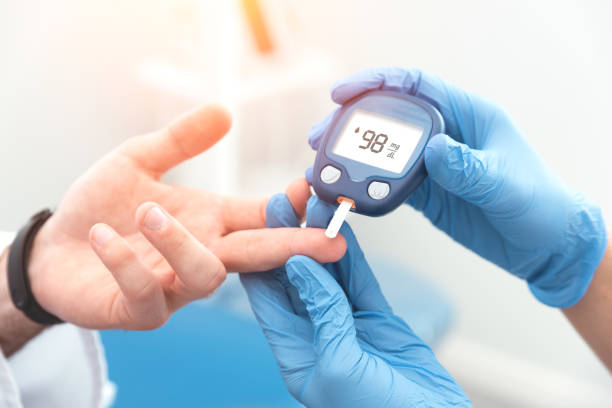
Best Diabetologist In Mira Road is a long-term medical disorder that results in elevated blood sugar levels. The disorder, which is prevalent in adults these days, causes the body to either not create enough insulin or to not produce the insulin that is produced efficiently. The illness can lead to serious complications like heart disease, renal failure, stroke, and eye issues because insulin, a hormone that regulates blood sugar, causes constant rises in blood sugar levels.
If you see any indications or symptoms of diabetes, it is best to have yourself examined by the best diabetes physician in Mira Road. Early detection can help you avoid further issues and get it under control on time.
Condition and Therapy
Diabetes is a disease that affects how the body converts food into energy. The body can normally convert food into sugar and release it into the bloodstream in a diabetic. However, it is either unable to create enough insulin or is unable to use the insulin that is produced in a way that is suitable for your body cells.
Blood sugar remains in your blood if these two circumstances occur, which can result in a number of consequences such as heat stroke, kidney illness, etc. People who have raised blood sugar levels but not high enough to be diagnosed with diabetes are initially diagnosed with prediabetes.
Therefore, you should see the finest sugar diabetes specialist for an accurate diagnosis if you are unsure about the illness but notice weight loss and a lack of energy. This is because prediabetic people eventually acquire Type 2 diabetes if they do not get treatment. One of Mira Road's Best Diabetologist In Mira Road, Dr. Sandra Drago, can assist you in effectively managing your illness.
Diabetes Types
Your body will either not generate enough insulin or will not be able to use it as it should if you have diabetes. The best diabetes specialist in Mira Road will assist you in fully comprehending the condition and will treat and coach you appropriately. Let's talk about the many forms of diabetes. There are mostly three types:
Diabetes Type 1- When your body unintentionally assaults itself, it might result in an autoimmune reaction that limits your body's ability to produce enough insulin. Insulin must be taken daily to survive if you have type 1 diabetes, which is diagnosed primarily in children and teenagers. Type 1 diabetes cannot be prevented, and symptoms usually appear rapidly. Experts in type 1 diabetes can assist you in effectively managing the illness.
Diabetes Type 2- Your blood sugar levels cannot remain normal with this kind of diabetes because your body is unable to use insulin effectively. In order to determine whether you are at danger, it is best to have your blood sugar level checked and speak with the top diabetes specialist in Mira Road. Type 2 diabetes is diagnosed in adults and develops over several years. You can modify your lifestyle and effectively manage type 2 diabetes by speaking with a type 2 diabetes specialist.
Overweight, Obesity And Physical Inactivity- If you are overweight and do not engage in physical activity, you are likely to develop type 2 diabetes. In those with type 2 diabetes, gaining extra weight occasionally results in insulin resistance. The proportion of muscle to fat also has an impact of some type. Insulin blockage, type 2 diabetes, and heart and vascular disease are all linked to excess gut fat. Check out these Body Mass Index (BMI) infographics to see if your weight puts you at risk for type 2 diabetes.
Pregnancy-related diabetes or gestational diabetes- According to "Diabetologists in Mira Road," elevated blood sugar levels in pregnant women are becoming more common as diabetes-related disorders rise overall. We refer to it as gestational diabetes. Blood sugar levels may rise during pregnancy if there is an underlying issue with the body's ability to produce insulin or with its sensitivity to it. These women are more likely to acquire diabetes in the future, but they usually return to normal levels shortly after giving birth. The target blood sugar level during pregnancy is not the same as it is during non-pregnancy. In addition to affecting the baby's growth, gestational diabetes can result in birth complications and neonatal issues. Additionally, it raises the possibility of unexpected intrauterine mortality. Therefore, maintaining these levels at normal levels throughout pregnancy is crucial.
Medication-induced Diabetes- Long-term usage of some drugs, particularly steroids, may result in diabetes complications. For this reason, it is usually advised to speak with our doctor about how to control blood sugar levels while taking steroids.
Others- certain other types of diabetes have overlapping symptoms of both type 1 and type 2 Diabetes. Consult a knowledgeable "Endocrinologist in Mira Road" to learn more.
Symptoms in general
Weight loss, increased thirst, and increased hunger are some of the common signs of diabetes.
- • Frequent urination
- • Visual blurriness
- • Extreme exhaustion
- • Sores that refuse to go away
Preventing Diabetes
Since type 1 diabetes is brought on by an immune system malfunction, it cannot be prevented. You also have no control over some of the factors of type 2 diabetes, like your age or DNA.
However, there are numerous other diabetes risk factors that can be managed. Simple changes to your diet and exercise regimen are the mainstays of diabetes prevention efforts.
Here are some strategies to postpone or avoid type 2 diabetes if you have been diagnosed with prediabetes:
What are the tests performed by a diabetologist?
- • One test that offers important hints about how the body is controlling blood sugar levels is the fasting blood sugar test.
- • Test for glycated hemoglobin (A1C). Glycated hemoglobin, a type of hemoglobin that is covalently bonded to glucose, is detected by this test.
- • An oral glucose tolerance test measures the speed at which glucose is eliminated from the blood by administering it and then taking blood samples.
- • A test known as"random blood sugar" measures your blood sugar levels at random times throughout the day.
- • Blood glucose is measured by the two-hour postprandial test precisely two hours after a meal.
